Understanding Louisiana's Alligator Culling Program

Updated: Aug 20
Louisiana is home to one of the largest populations of American alligators in the United States. Thanks to decades of conservation, healthy wetlands, and careful wildlife management, the state's alligator population has remained strong. One of the tools used to help keep that population healthy is Louisiana's alligator harvest, often called the alligator culling program.
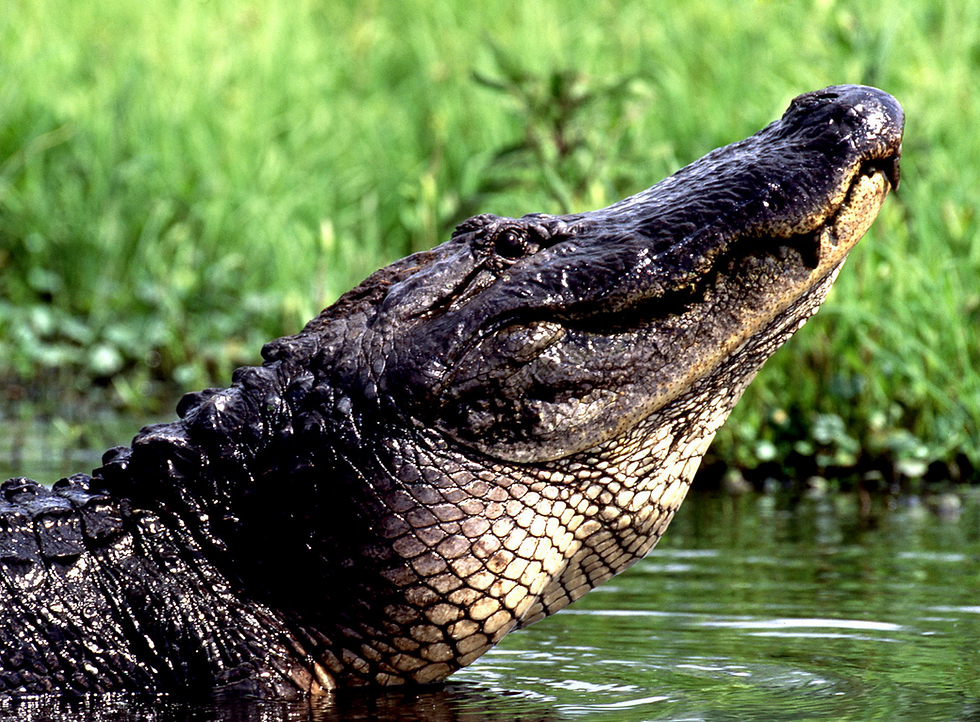
Each year, the Louisiana Department of Wildlife and Fisheries (LDWF) issues a limited number of harvest tags to licensed landowners and hunters. These tags are assigned based on scientific surveys and population data collected from marshes, swamps, and wetlands across the state. The goal is not to reduce alligator numbers, but to maintain a healthy population while minimizing conflicts between people and wildlife.
The alligator harvest takes place during a regulated season, usually beginning in late August or early September. Hunters must follow strict rules, including using official harvest tags and reporting each harvested alligator. This carefully managed system has helped Louisiana become a national model for alligator conservation.
Many people are surprised to learn that the American alligator was once listed as an endangered species. Through habitat protection, regulated harvests, and conservation efforts, the population recovered to the point that Louisiana now supports an estimated two million alligators.
The harvest also benefits local communities by supporting jobs in guiding, tourism, farming, and the sale of alligator meat and hides. Revenue generated through the program helps reinforce the value of protecting Louisiana's wetlands, which provide habitat for countless other species.
If you'd like to see American alligators in their natural habitat and learn more about Louisiana's wetlands and wildlife, visit BeyondTheFrenchQuarter.com. Guided tours just steps away from Downtown New Orleans offer a safe and unforgettable way to experience one of Louisiana's most iconic animals.


Comments